


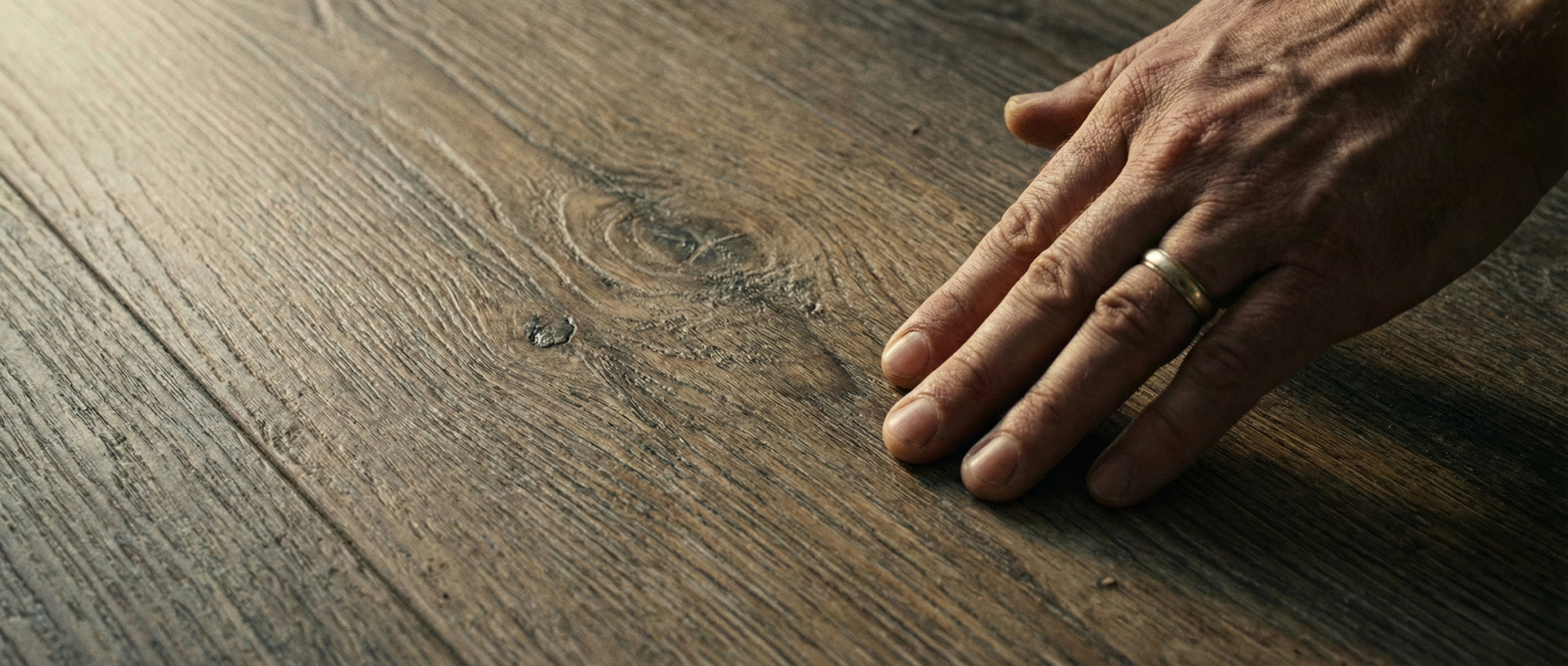
When choosing the right surface for your home or business, it is natural to focus on colour first. However, the secret to a truly premium look lies in how the material feels. Textured vinyl flooring has revolutionised the interior design world, bridging the gap between artificial durability and natural beauty.
Gone are the days of flat, plastic-looking sheets that felt slippery and looked obviously synthetic. Modern innovation, specifically a technique called “Registered Emboss,” has allowed manufacturers to create surfaces that offer a tactile experience mirroring natural timber or hewn stone. In this guide, we explore what textured vinyl flooring actually is, how it is made, and why it is the superior choice for your next project.
Jump To Section
- What is Textured Vinyl Flooring with Registered Emboss?
- The Science Behind the Realism
- Exploring Different Texture Styles
- Why Textured Vinyl Flooring Looks Better
- Practical Benefits: Grip and Durability
- Where to Install Textured Vinyl Flooring
- Textured Vinyl vs. Laminate: Which is Better?
- Comparing Textured Vinyl Flooring to Real Wood
- Essential Cleaning Tips for Textured Surfaces
- Experience the Difference
What is Textured Vinyl Flooring with Registered Emboss?
Textured vinyl flooring refers to a surface that has been engineered to mimic the physical feel of natural materials. However, the highest standard of this is known as “Registered Emboss”. Registered Emboss is designed to mimic the look and feel of a real wood floor at a fraction of the cost.
Standard texture is simply a generic roughness applied to the surface. Registered Emboss is different. It means the texture matches the printed design exactly. If there is a knot visually printed on the wood plank, you can feel that knot with your finger. If there is a grout line or a slate ridge, the texture aligns perfectly with the image. This creates a 3D effect that creates a consistent and seamless surface indistinguishable from the real thing.
The Science Behind the Realism
The process of creating this level of detail involves a combination of high-tech printing and advanced pressing techniques.
- Design Printing: A high-resolution photograph of real wood or stone is printed onto the vinyl film.
- Embossing: The wear layer is heated and pressed using a plate that mirrors the texture of the source material.
- Registration: Crucially, the machine aligns the pressure plate precisely with the printed image.
This alignment is what makes textured vinyl flooring stand out. Without it, you might see a wood knot but feel a smooth surface, which subconsciously tells your brain the floor is “fake.”
Why Textured Vinyl Flooring Looks Better
One of the most significant advantages of textured vinyl flooring is how it interacts with light.
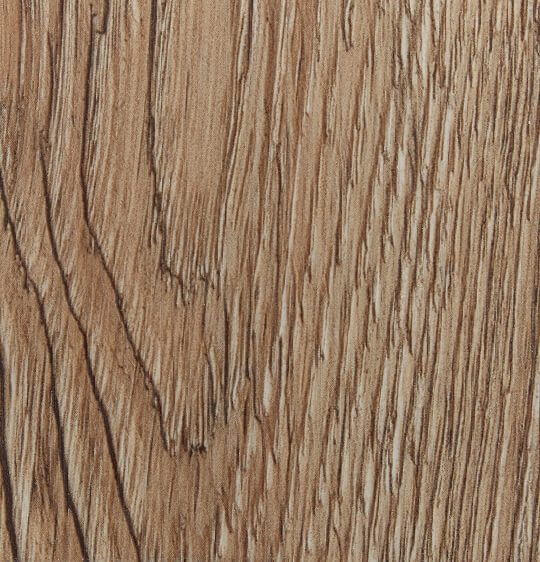
On a smooth, flat floor, light bounces off evenly, often creating an artificial glare that highlights dust and footprints. With a textured surface, light is scattered. The raised grain creates microscopic shadows and highlights, adding depth and dimension.
- Depth of Texture: It stops the floor looking like a “sticker” and gives it the weight and presence of real hardwood.
- Natural Appearance: As the sun moves across the room throughout the day, the floor changes character, just like natural materials would.
Practical Benefits: Grip and Durability
While aesthetics are important, textured vinyl flooring also offers significant functional benefits over smooth alternatives.
The primary benefit is grip. A completely smooth floor can become slippery, especially when wet or if you are wearing socks. The subtle ridges and grooves in a textured floor provide natural traction, making it a more secure option for family homes, particularly for young children or elderly relatives.
Furthermore, the texture adds a layer of durability. On a high-gloss, flat floor, the first scratch is immediately visible. On a textured surface, minor scuffs and wear are visually hidden within the grain, keeping your floor looking newer for longer.
Where to Install Textured Vinyl Flooring
In residential settings, textured vinyl flooring is particularly popular for areas that require both style and resilience.
- Living Rooms: Enhance the wood grain effect for a cosy, high-end look that rivals solid oak.
- Bathrooms: Opt for a stone finish to mimic the look of slate or travertine. The texture adds a spa-like feel and crucial slip resistance.
- Commercial Spaces: Retail stores and offices benefit from the professional appearance. It handles high traffic without looking worn and provides a comfortable, non-slip surface for customers.
Textured Vinyl vs. Laminate: Which is Better?
Homeowners often debate between laminate and vinyl. While laminate can also be textured, textured vinyl flooring holds a distinct advantage in terms of performance.
Laminate is wood-based, meaning that deep textures can sometimes compromise the water resistance of the plank if the seal is breached. Vinyl, however, is naturally waterproof throughout. This means you can have a deep, realistic texture in a bathroom or kitchen without worrying about the plank swelling or blowing if water sits in the grooves.
Comparing Textured Vinyl Flooring to Real Wood
You might be wondering, why not just buy real wood? While hardwood offers a natural aesthetic, it is typically expensive, susceptible to water damage, and requires regular sanding and oiling.
Textured vinyl flooring offers the same visual and tactile appeal but with modern engineering benefits:
- Cost-Effective: Achieve the “million-pound look” at a fraction of the price.
- Waterproof: Unlike wood, vinyl can be installed in wet areas without warping.
- Maintenance: No sanding required—just a simple sweep and mop.
Essential Cleaning Tips for Textured Surfaces
A common concern is whether textured vinyl flooring traps dirt in the grain. While it holds slightly more dust than a glass-smooth floor, cleaning is straightforward if you follow these tips:
- Vacuum Regularly: Use a vacuum with a hard floor setting to lift dust from the grooves before mopping.
- Use a Microfibre Mop: Unlike sponge mops which push dirty water into the texture, microfibre lifts and grabs dirt from the grain.
- Avoid Abrasive Scrubbers: Never use steel wool or harsh scouring pads, as these can dull the beautiful registered emboss finish over time.
Experience the Difference
Choosing textured vinyl flooring will elevate your space with a sophisticated, natural appearance while offering practical benefits like water resistance, comfort, and easy maintenance.
Whether you are seeking a rustic oak effect, a herringbone design or an extra long and wide plank board, Pro-Tek™ offers a range of registered emboss designs that act as the perfect foundation for your interior design. Order a sample today to feel the texture for yourself.