Choosing the best kitchen flooring is a critical decision in any home. It is not just about achieving a beautiful finish, but ensuring genuine durability, comfort underfoot, and long-term cost-effectiveness. The kitchen is the heart of the home, facing daily spills, heavy foot traffic, and temperature fluctuations, which means your floor needs to be genuinely fit for purpose.
In this expert comparison guide, we thoroughly evaluate the three most popular materials: hardwood, ceramic tile, and luxury vinyl. We will shine a spotlight on modern solutions like Pro-Tek™ to highlight how they bring together the properties required for the best kitchen flooring, making them a leading choice for the contemporary home.
Jump To Section
- Evaluating the Contenders for Best Kitchen Flooring
- Hardwood: Is it the Best Kitchen Flooring for Style?
- Ceramic Tile: A Strong Contender for Durability
- Pro-Tek™ Vinyl: The Overall Best Kitchen Flooring?
- How Pro-Tek™ Defines the Ideal Kitchen Floor
- Installation and Maintenance of the Best Kitchen Flooring
- Pro-Tek™ Vinyl Pros vs. Traditional Cons
- Final Verdict: Choosing the Best Kitchen Flooring
- Frequently Asked Questions (FAQs)
Evaluating the Contenders for Best Kitchen Flooring
The perfect kitchen floor must visually be striking whilst maintaining practical resilience. When searching for the right surface, most homeowners narrow it down to three main categories.
To determine the best kitchen flooring for your specific needs, you must weigh up water resistance against warmth, and durability against comfort. While one material might look the part, does it perform under the pressure of a busy family breakfast or a Friday night dinner party?
Hardwood: Is it the Best Kitchen Flooring for Style?
Hardwood, particularly engineered wood, offers a classic, premium look that few materials can truly replicate. For many, the best kitchen flooring in terms of pure visual appeal is natural timber.
| Feature | Pros | Cons |
|---|---|---|
| Look | Timeless & Elegant appearance | Prone to dents & scratches from furniture |
| Value | Adds significant property value | Expensive to buy & install |
| Comfort | Warm underfoot | Water sensitive (susceptible to warping) |
| Long-term | Can be sanded and refinished | Requires regular maintenance (sealing/oiling) |
While engineered wood is more stable than solid wood, a persistent dishwasher leak can still cause irreparable damage. The high maintenance schedule often stops it from being the most practical choice for busy households.
Ceramic Tile: A Strong Contender for Durability
For decades, ceramic and natural stone tiles have been the go-to for high-moisture areas. Many argue that the best kitchen flooring must be stone due to its impressive resistance to water.
| Feature | Pros | Cons |
|---|---|---|
| Durability | Exceptionally durable & hard-wearing | Brittle (dropped items will shatter/crack tile) |
| Waterproof | 100% waterproof surface | Grout lines trap dirt and can stain |
| Temperature | Compatible with UFH | Cold & hard underfoot (uncomfortable for cooking) |
| Style | Massive variety of finishes | Laborious & messy to install |
Tile’s biggest drawback is the lack of warmth. Unless you install expensive underfloor heating, it is rarely the top choice for comfort. Furthermore, dropped plates will almost certainly shatter on impact.
Pro-Tek™ Vinyl: The Overall Best Kitchen Flooring?
Modern luxury vinyl flooring (LVT) has revolutionised the market. Products like Pro-Tek™ offer an exceptionally realistic aesthetic combined with a waterproof core. It is quickly becoming the best kitchen flooring choice for homeowners seeking the look of wood without the drawbacks.
| Feature | Pros | Cons |
|---|---|---|
| Performance | 100% Waterproof Core (SPC/WPC) | Synthetic material (not “real” wood) |
| Comfort | Warm & Soft underfoot (Built-in underlay) | Doesn’t increase property value like solid wood |
| Installation | Easy Click-Lock (DIY friendly) | Subfloor must be smooth and level |
| Durability | Commercial-grade wear layers | Can fade in extreme direct UV if untreated |
When you combine resilience with comfort, Pro-Tek™ LVT presents a compelling case for being the all-rounder champion.
How Pro-Tek™ Defines the Ideal Kitchen Floor
Pro-Tek™ offers specific ranges designed to meet different household needs. Here is how they compare to help you choose the best kitchen flooring for your project.
| Collection | Core Technology | Best Suited For | Warranty (Res/Comm) |
|---|---|---|---|
| Value | SPC (Stone Plastic Composite) | Budget renovations, rental properties, and galley kitchens. | 15 Years / 5 Years |
| Editions | SPC (Stone Plastic Composite) | Busy family kitchens requiring maximum stability & traffic resistance. | Lifetime / 20 Years |
| Excel | WPC (Wood Plastic Composite) | Open-plan living where warmth, comfort, and acoustics are key. | Lifetime / 30 Years |
| Tek-Core | Hybrid (SPC + WPC) | The ultimate performance for high-traffic, demanding households. | Lifetime / 30 Years |
Excel (WPC Core)
This premium multi-layered vinyl features a Wood Plastic Composite (WPC) core. It is the best kitchen flooring option for comfort and acoustics, making it ideal for open-plan living where noise reduction is key.
Editions (SPC Core)
Built around a Stone Plastic Composite (SPC) core, this range offers maximum stability. It is the ideal choice for areas with large windows or conservatories, as it resists expansion from heat.
Tek-Core Pro (Hybrid)
This eight-layer design fuses the stability of SPC with the warmth of WPC. For households demanding the absolute pinnacle of resilience, this is arguably the best kitchen flooring solution available.
Installation and Maintenance of the Best Kitchen Flooring
The ideal floor shouldn’t be a headache to install or clean.
- Hardwood: Requires professional fitting and regular sanding/sealing.
- Tile: Laborious, messy installation involving grout and adhesive.
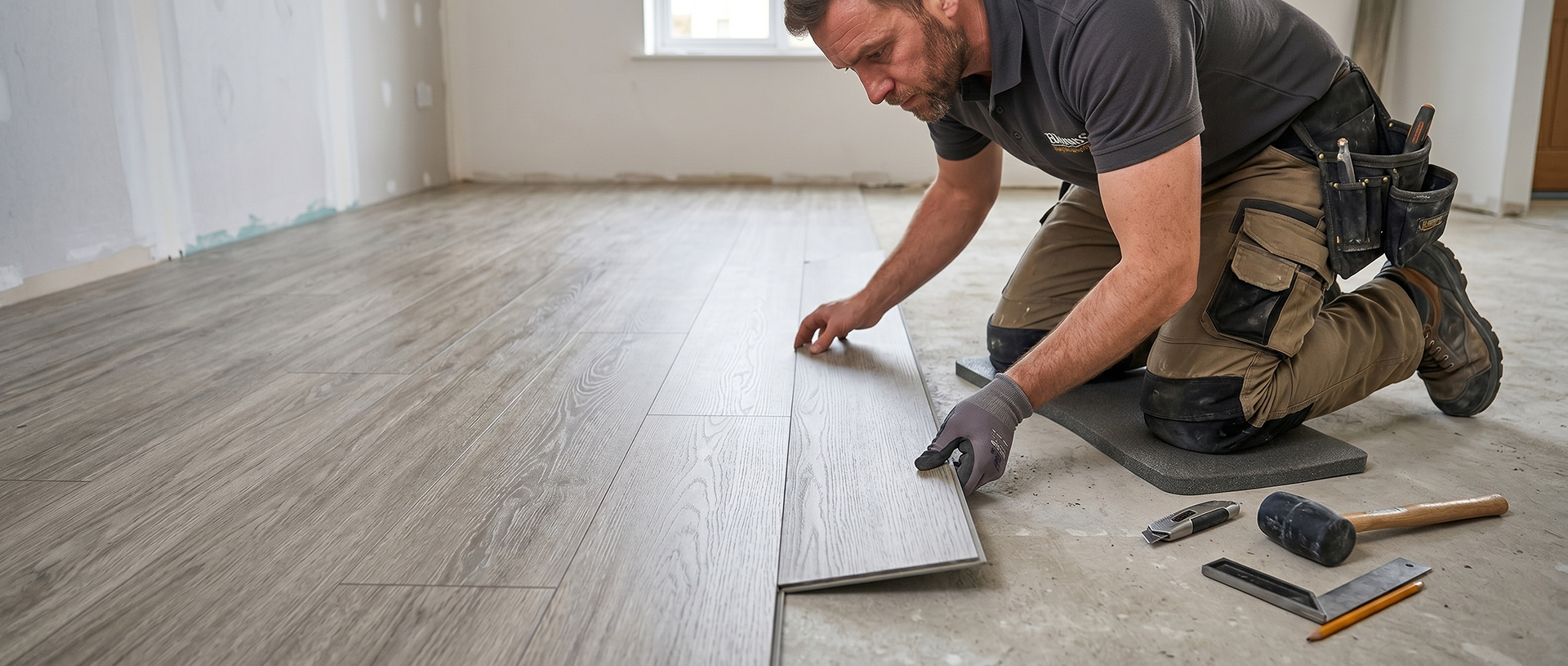
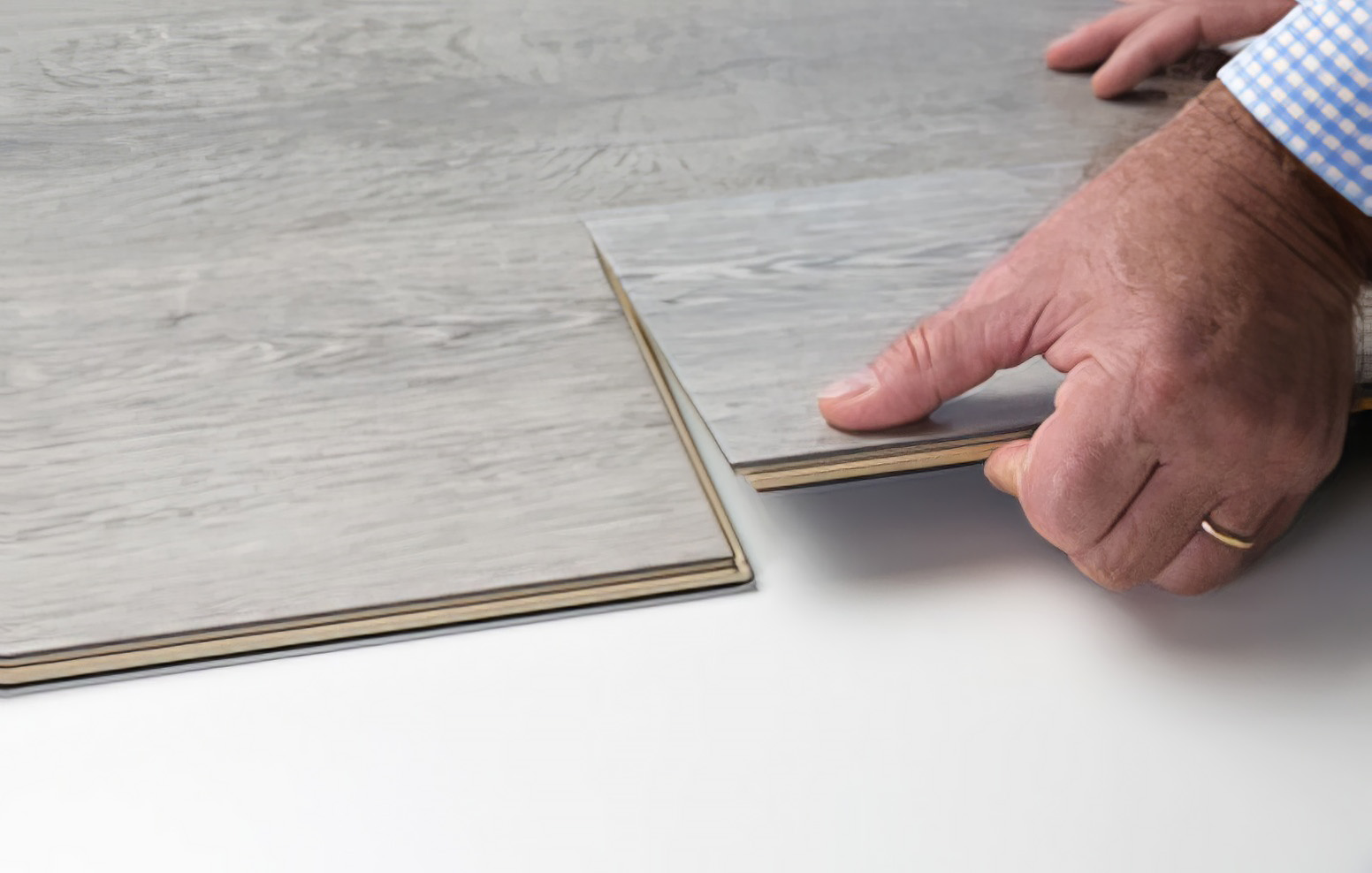
- Pro-Tek™ Vinyl: Features a simple click-lock system. It can be installed as a floating floor over most existing subfloors, making it the best kitchen flooring for renovations.
Maintenance is equally simple. A damp mop with a standard cleaner is all that is required to keep Pro-Tek™ looking pristine, confirming its status as the smart choice for busy lives.
Pro-Tek™ Vinyl Pros vs. Traditional Cons
To make your decision easier, here is a direct comparison of how Pro-Tek™ vinyl solves the specific problems associated with traditional materials.
| Challenge | Traditional Flooring (Cons) | Pro-Tek™ Vinyl (Pros) |
|---|---|---|
| Water Resistance | Hardwood warps and stains; Laminate swells. | 100% Waterproof core; impervious to leaks and spills. |
| Comfort | Ceramic tile is cold and hard; uncomfortable for standing. | Built-in underlay provides warmth and cushioning. |
| Durability | Tiles can crack on impact; Hardwood scratches easily. | Commercial-grade wear layer resists scratches and impact. |
| Maintenance | Grout lines trap dirt; Wood needs oiling/sanding. | Simple damp mop clean; no grout or specialist treatments. |
| Installation | Messy adhesives, grout, and slow drying times. | Fast, dry Click-Lock installation (DIY friendly). |
Final Verdict: Choosing the Best Kitchen Flooring
So, what is the right choice for you?
If you want pure luxury and don’t mind the maintenance, hardwood is beautiful. If you want a bomb-proof surface and don’t mind the cold, tile is a solid option. However, if you want a surface that is waterproof, warm, durable, and easy to live with, Pro-Tek™ luxury vinyl is undoubtedly the best kitchen flooring for the modern home.
Frequently Asked Questions (FAQs)
1. Is hardwood or tile the best kitchen flooring? Hardwood looks warmer, but tile is more practical. However, luxury vinyl (LVT) offers the benefits of both, often making it the superior overall choice.
2. What is the most durable option? Porcelain tile is the hardest, but high-quality LVT offers the best kitchen flooring balance of scratch resistance and impact absorption.
3. Does vinyl look realistic? Yes. Modern LVT uses high-definition printing to mimic wood and stone so closely that it is often indistinguishable from the real thing.
4. Is the best kitchen flooring waterproof? Yes. To be considered suitable for a kitchen, it must be waterproof. Pro-Tek™ LVT is 100% waterproof, whereas wood is not.
5. Can I install it myself? If you choose LVT with a click-lock system, yes. It is designed for DIY, unlike tile or solid wood which usually require professionals.
6. Is LVT compatible with underfloor heating? Yes, LVT is an excellent heat conductor and works perfectly with UFH, solidifying its position as the best kitchen flooring for comfort.
7. How long will it last? High-quality LVT with a substantial wear layer can last between 20 and 30 years with proper care.
8. Is it expensive? LVT offers excellent value. It is generally cheaper than solid hardwood and easier to install than tile, making it a cost-effective choice for the best kitchen flooring.
9. Does it need an expansion gap? Yes. Even stable floors like LVT require a small expansion gap around the perimeter, usually hidden by skirting boards.
10. Why is Pro-Tek™ considered the best kitchen flooring? With its waterproof core, built-in underlay, and commercial-grade wear layer, Pro-Tek™ addresses every common kitchen challenge, making it the smart choice for modern homes.