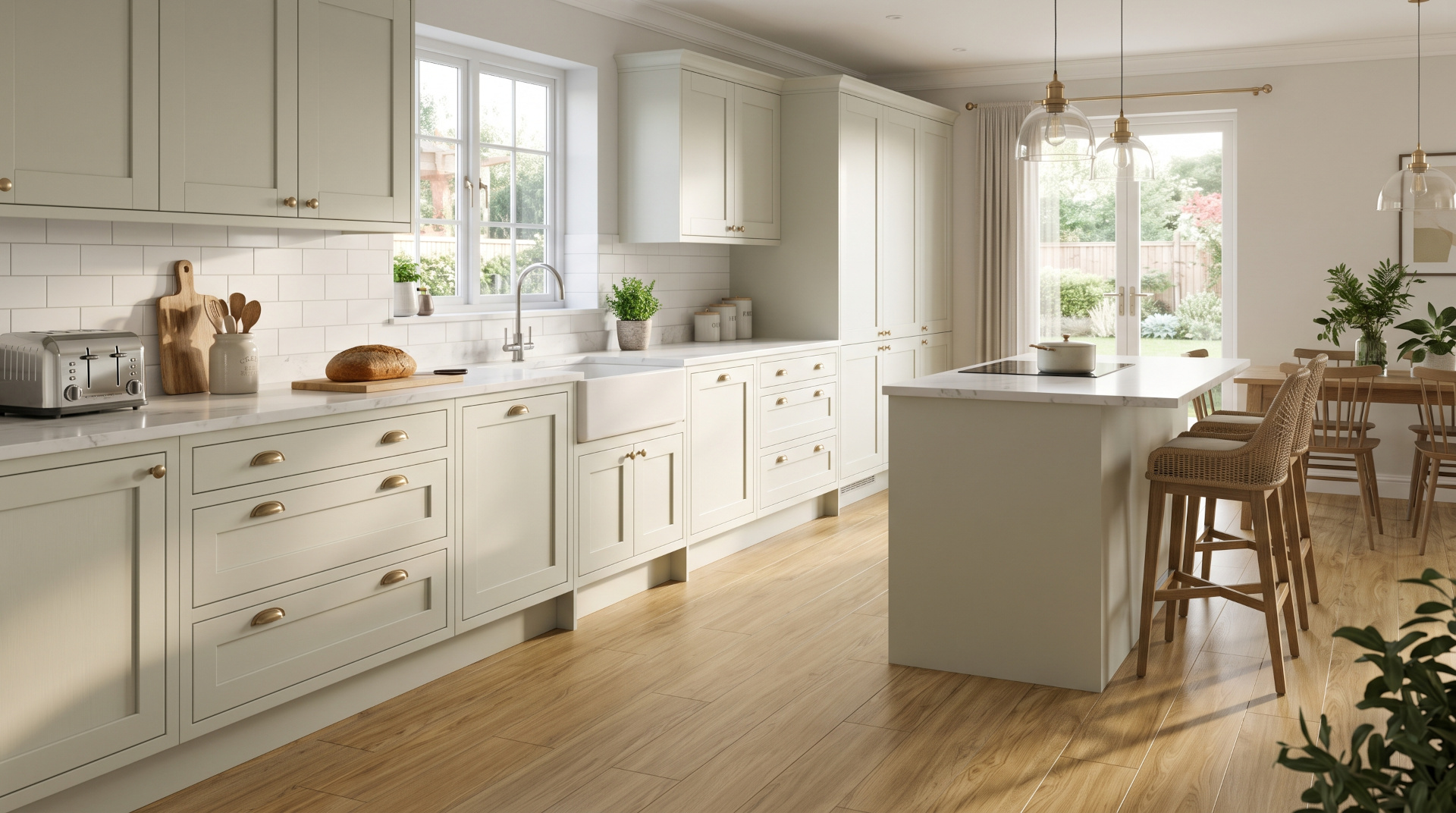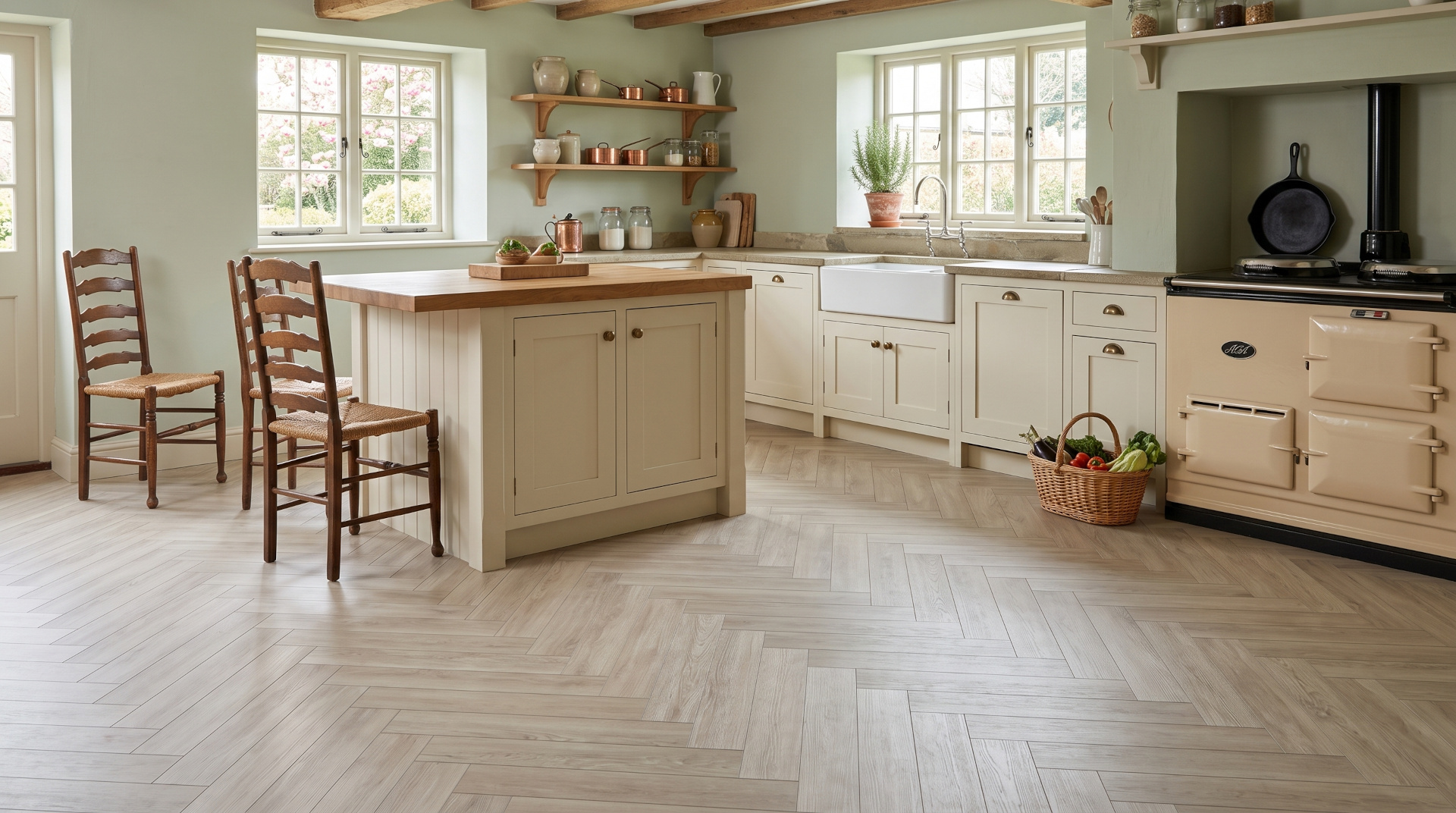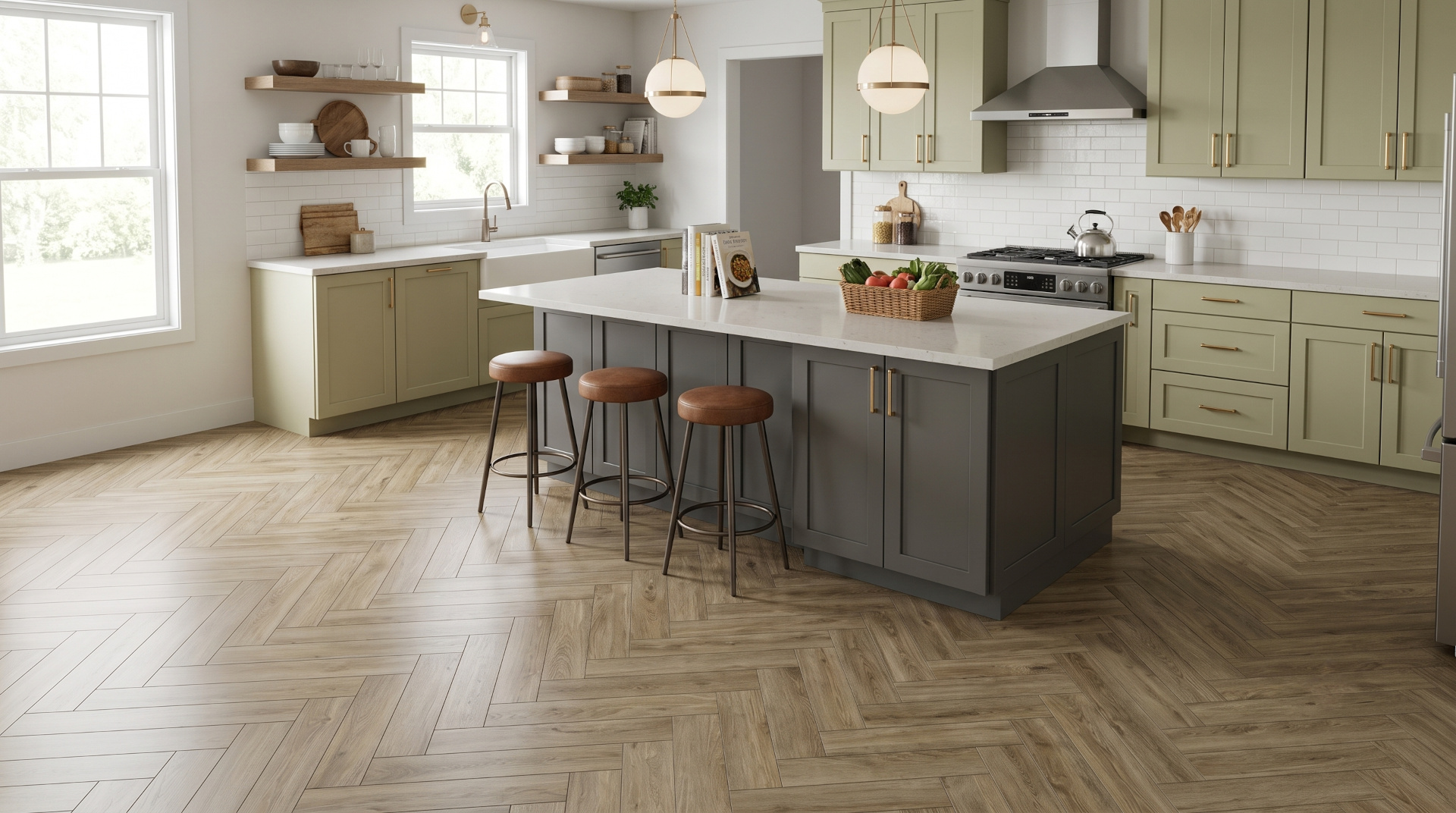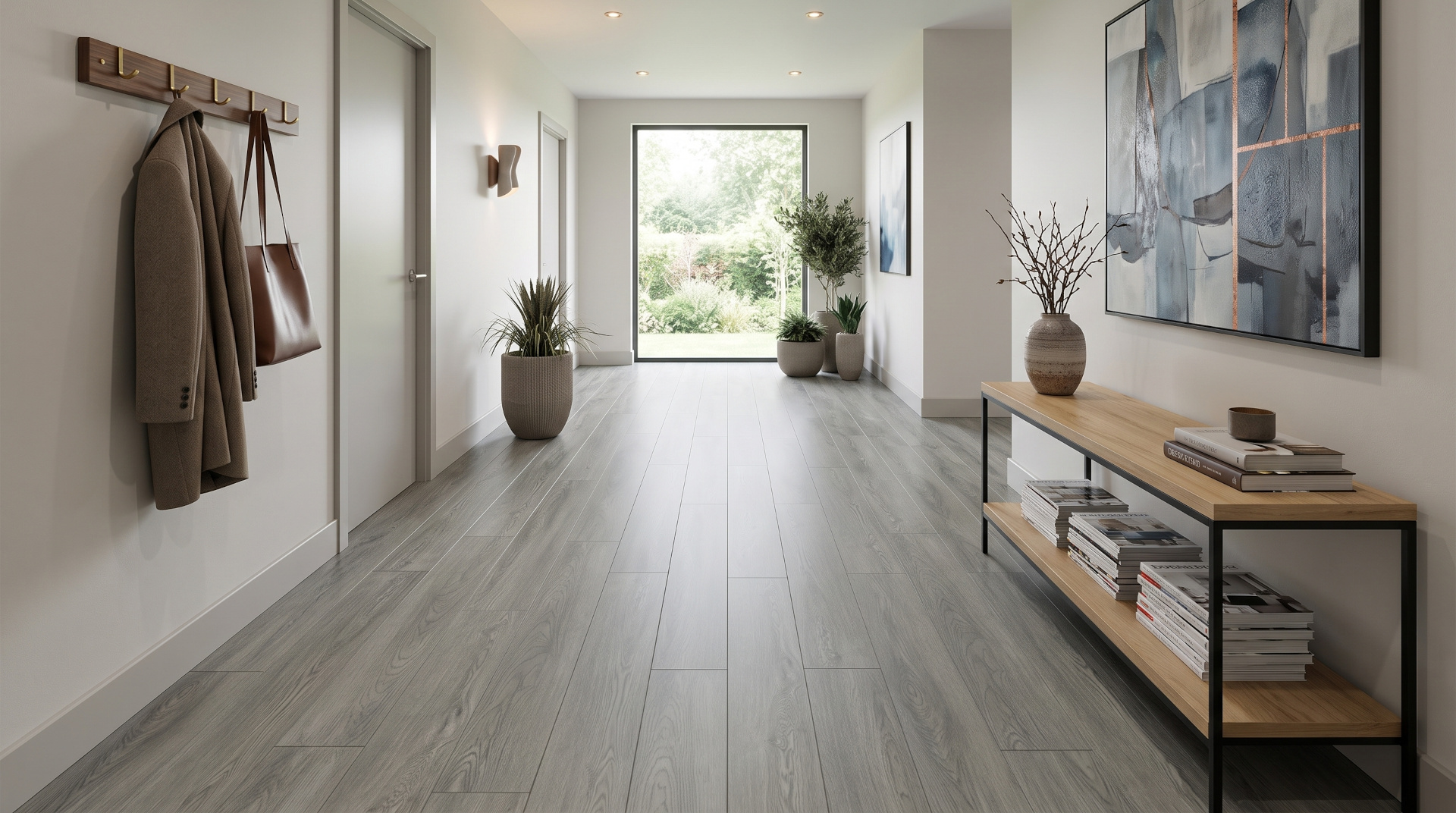
Over the past decade, the UK flooring trade has undergone a noticeable shift. When evaluating laminate vs vinyl flooring, installers who once relied heavily on traditional wood-based boards are now increasingly turning to Stone Plastic Composite (SPC) click vinyl. This change is rooted in the day-to-day realities of site work, tighter project timelines, and the need to minimise costly callbacks.
When you break the comparison down into fitting speed, breakage rates, and long-term performance, the reasons behind this transition become clear. SPC is not just an alternative to older materials anymore; for many in the trade, it has become the default specification.
Jump To Section
- The Core Difference in Laminate vs Vinyl Flooring
- Fitting Speed and Efficiency on Site
- Breakage Rates and Laminate vs Vinyl Flooring Callbacks
- Long-Term Performance for Modern Homes
- Residential and Commercial Applications
- FAQ Comparison
- Final Thoughts on Laminate vs Vinyl Flooring
The Core Difference in Laminate vs Vinyl Flooring
The primary distinction between the two materials lies in their construction. Traditional boards earned their place in the market by offering affordability and a straight-forward installation process. However, they are built around a high-density fibreboard (HDF) core, which is wood-based and therefore highly susceptible to moisture.
Pro-Tek™ SPC click vinyl represents the next stage in material engineering. While it retains the familiar click-lock installation system, it uses a rigid core made from limestone powder and stabilisers. In the laminate vs vinyl flooring debate, this core difference is critical. It results in a product that is 100% waterproof and highly dimensionally stable, directly impacting how the material behaves on site and over its working life.
Fitting Speed and Efficiency on Site
For installers evaluating laminate vs vinyl flooring, efficiency dictates profitability. The faster a floor is fitted to a high standard, the better the job margins.
Many SPC products, including the Pro-Tek™ Editions and Excel ranges, come with a pre-attached IXPE or EVA underlay. This removes the step of rolling out and taping separate underlay sheets, saving time and reducing the risk of movement beneath the boards. Installers move directly from subfloor preparation to laying the planks.
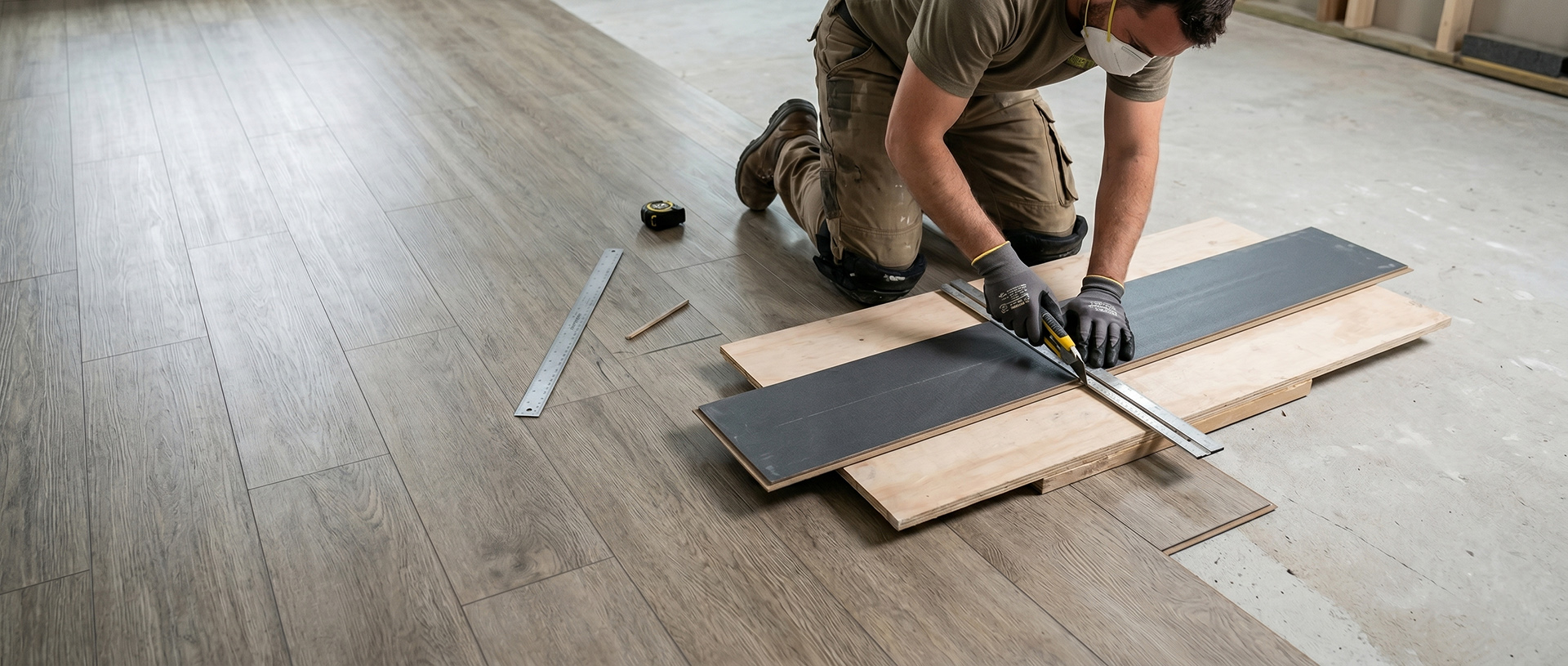
Subfloor tolerance is another factor. SPC’s rigid construction bridges minor imperfections in the subfloor—typically up to 3mm over a 2-metre span. Wood-based boards require a much flatter surface to prevent flexing and joint stress. Furthermore, SPC is scored and snapped using a utility knife, keeping installers in the room and avoiding repeated trips to a saw. This creates zero dust, reducing clean-up time.
Breakage Rates and Laminate vs Vinyl Flooring Callbacks
While fitting speed matters, reliability is where SPC separates itself. When assessing laminate vs vinyl flooring callbacks, moisture ingress is the leading issue for wood-based cores.
Even small amounts of water—from spills, cleaning, or appliance leaks—can seep into HDF joints and cause swelling. This creates a “mushrooming” effect at the edges, which requires board replacement. For an installer, a single callback to repair a damaged floor erodes profit margins.
Pro-Tek™ click vinyl eliminates this issue. Its waterproof core ensures it will not swell, warp, or delaminate when exposed to moisture. Additionally, the rigid mineral core allows for tighter manufacturing tolerances. Utilizing the Uniclic™ system results in secure joints, reducing the likelihood of gaps forming under heavy footfall.
Long-Term Performance for Modern Homes
Today’s properties place significant demands on floor surfaces. Open-plan layouts, high foot traffic, pets, and heavy furniture all contribute to wear and tear.
SPC flooring is engineered for these conditions. Its dense core provides high resistance to indentation under heavy loads. If you are comparing the wear resistance of laminate vs vinyl flooring, SPC absorbs shocks effectively without compromising the surface layer.
SPC also performs exceptionally well with underfloor heating (UFH) systems. Its composition allows for efficient heat transfer, meaning rooms reach temperature quickly. Laminate acts as an insulator due to its wood-based core, forcing the UFH system to work harder.
Residential and Commercial Applications
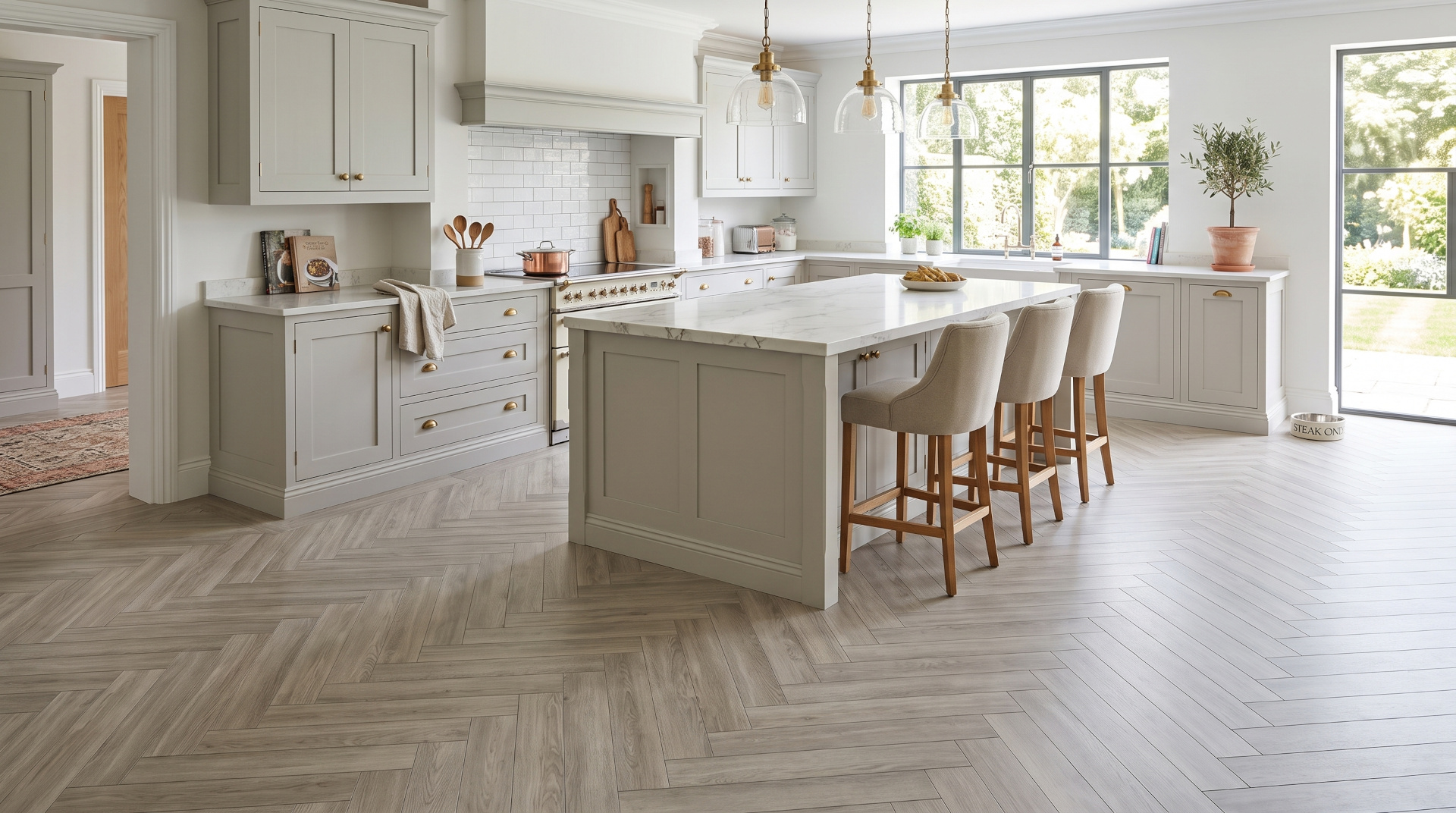
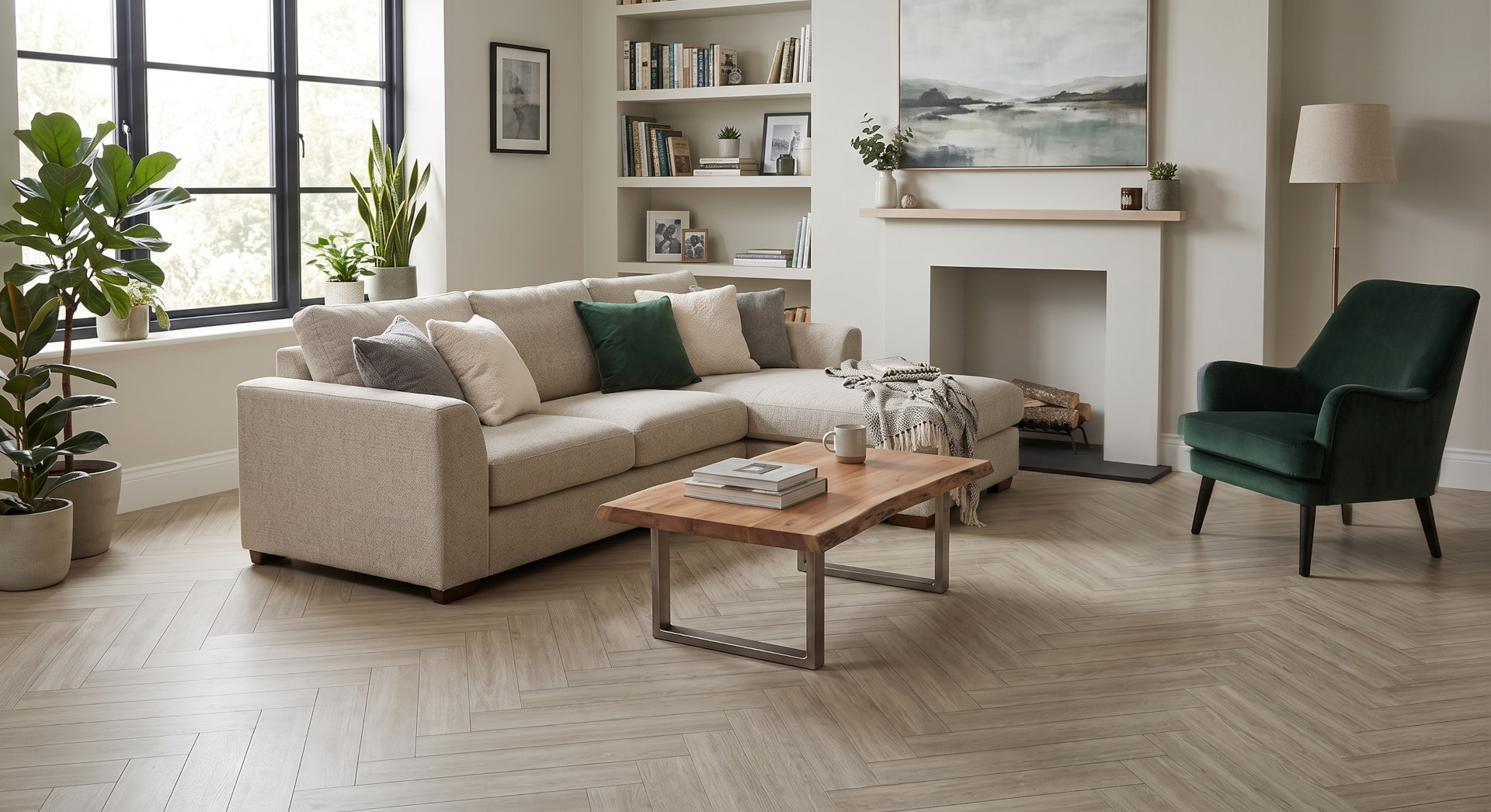
In residential settings, when considering laminate vs vinyl flooring, SPC click vinyl is used across multiple areas of the home. Its waterproof properties make it suited to kitchens, bathrooms, and utility rooms—spaces where wood-based boards historically fail. It is also the preferred choice for hallways and open-plan living areas, allowing for continuous flooring without transition strips between rooms.
In commercial environments, wear resistance and ease of maintenance are the primary requirements. Trade-grade Pro-Tek™ products feature thicker wear layers (0.55mm in Editions, up to 0.70mm in Excel), providing strong resistance to scratches and scuffs in offices, retail spaces, and hospitality venues.
FAQ Comparison
When evaluating laminate vs vinyl flooring, here is a direct technical comparison of the two materials to help guide your decision:
| Feature | Laminate | Pro-Tek™ SPC Click Vinyl |
|---|---|---|
| Core Material | Wood-based HDF core. | Limestone and stabiliser composite core. |
| Water Resistance | Water-resistant surface; core swells if moisture penetrates joints. | 100% waterproof core and surface. |
| Underlay | Always requires a separate underlay roll. | Often features built-in IXPE underlay. |
| Subfloor Tolerance | Requires a highly prepared, flat surface. | Bridges minor imperfections (up to 3mm over 2m). |
| Cutting Method | Requires power saws; creates fine dust. | Score-and-snap with a utility knife; dust-free. |
| Underfloor Heating | Can insulate and reduce heating efficiency. | High thermal conductivity; transfers heat efficiently. |
| Wet Area Suitability | Not recommended for bathrooms or utility rooms. | Ideal for all wet areas and kitchens. |
Final Thoughts on Laminate vs Vinyl Flooring
The shift towards rigid core vinyl reflects the changing demands of modern construction and renovation projects. When reviewing laminate vs vinyl flooring, SPC offers a combination of speed, moisture resistance, and versatility that traditional boards struggle to match.
For trade professionals and homeowners alike, the decision is straightforward. When factoring in fitting speed, breakage rates, and long-term performance, Pro-Tek™ click vinyl provides the reliable benchmark required for modern interiors. Open a Pro-Tek™ Trade Account today to access trade pricing and dedicated support for your next project.